
Multi Walled Carbon Nanotubes
Multi-Walled Carbon Nanotubes (MWCNTs)
Your composite needs to be stronger without getting heavier. Your electrode needs to carry more current without failing. Your coating needs to block EMI without compromising flexibility. The material holding you back isn’t your design — it’s finding MWCNTs you can actually count on.
Since 2005, Cheap Tubes has supplied MWCNTs to researchers and engineers at over 6,000 institutions worldwide — from academic labs proving new concepts to manufacturers scaling to production. We back every product with representative characterization data, and if our material doesn’t meet published specifications, we’ll replace it or refund your order. US stock, ships from Vermont.
Select diameter, purity, and functionalization below. Add to cart for an instant quote, or contact us for volume pricing and technical support.
Used in published research: Fibers 2018 · Applied Sciences 2019
Showing all 10 results
-
Flexiphene Aqueous Nanomaterial Emulsions
Read more -
Flexiphene Solvent Based Nanomaterial Emulsions
Read more -
Flexiphene Surfactant Solutions
Read more -
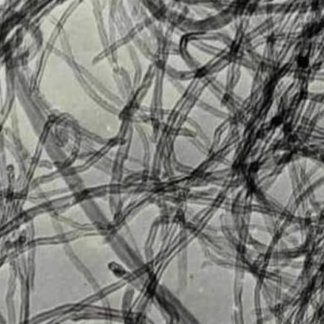
Multi Walled Carbon Nanotubes 10-20nm
$0.90 - $15.00 / per gram Select options -
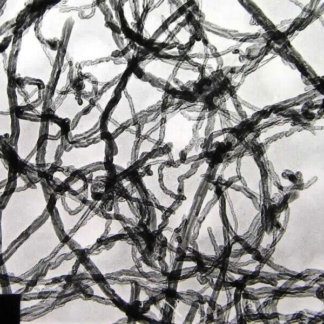
Multi Walled Carbon Nanotubes 20-30nm
$0.70 - $10.00 / per gram Select options -
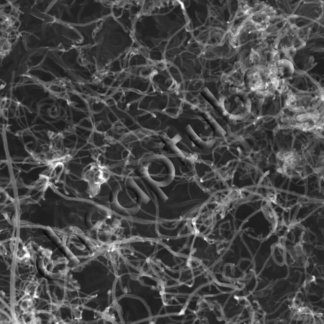
Multi Walled Carbon Nanotubes 20nm
$2.00 - $25.00 / per gram Select options -
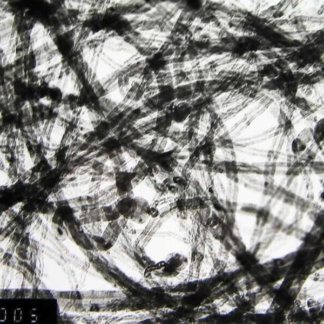
Multi Walled Carbon Nanotubes 30-50nm
$0.70 - $10.00 / per gram Select options -
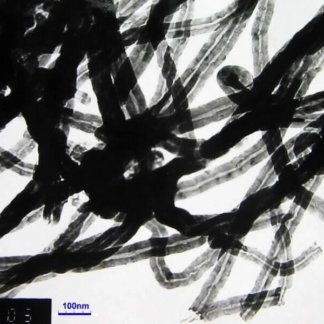
Multi Walled Carbon Nanotubes 50nm
$0.60 - $10.00 / per gram Select options -
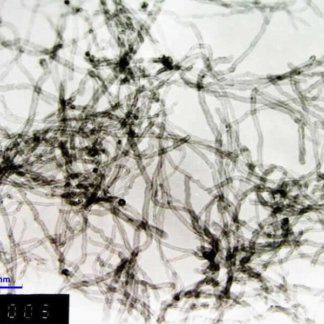
Multi Walled Carbon Nanotubes 8-15nm
$0.90 - $15.00 / per gram Select options -

Multi Walled Carbon Nanotubes 8nm
$1.50 - $15.00 / per gram Select options
What Are Multi-Walled Carbon Nanotubes?
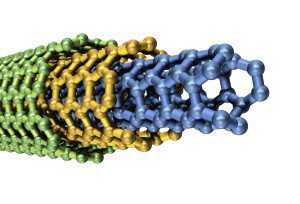
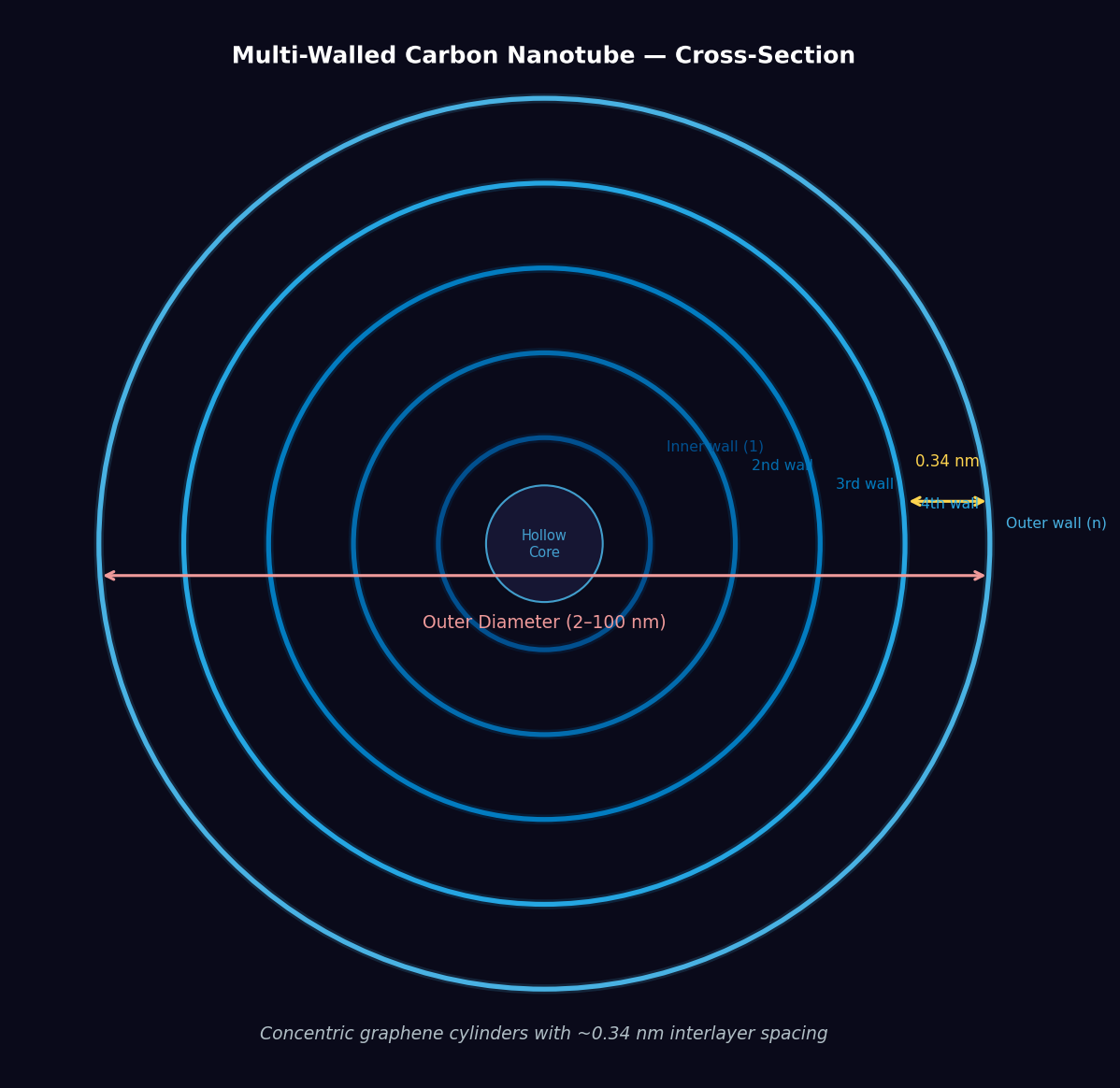
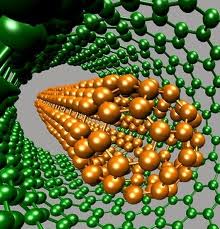
Multi-Walled Carbon Nanotubes (MWCNTs) consist of multiple concentric graphene cylinders nested within one another. The spacing between each layer is approximately 0.34 nm, consistent with graphite interlayer spacing. MWCNTs range from 2 nm to 100 nm in outer diameter and can extend to several hundred microns in length.
Unlike SWCNTs, MWCNTs are statistically always metallic due to averaging across multiple shells of varying chirality — making them highly reliable for electrical conductivity applications without chirality separation.
Physical Properties
| Property | Value |
|---|---|
| Outer Diameter | 2–100 nm (typical: 10–30 nm) |
| Inner Diameter | 2–15 nm |
| Length | 1–100 μm |
| Specific Surface Area | 200–400 m²/g |
| True Density | ~2.1 g/cm³ |
| Bulk Density | 0.03–0.15 g/cm³ |
| Carbon Purity | 90–99%+ |
Mechanical Properties
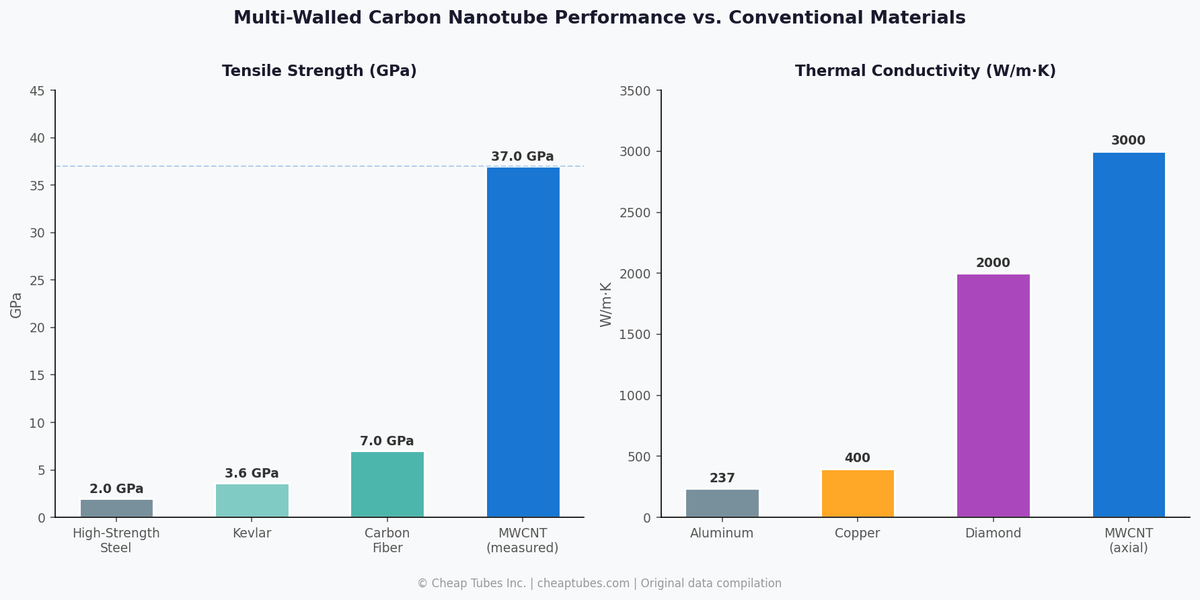
MWCNTs are among the strongest materials ever measured. Tensile strength: 11–63 GPa. Young’s modulus: 270–950 GPa. Compare to high-strength steel at 1–2 GPa tensile / 200 GPa modulus — MWCNTs offer order-of-magnitude improvements at a fraction of the weight. They are also highly flexible and can be bent and twisted without fracturing.
Electrical Properties
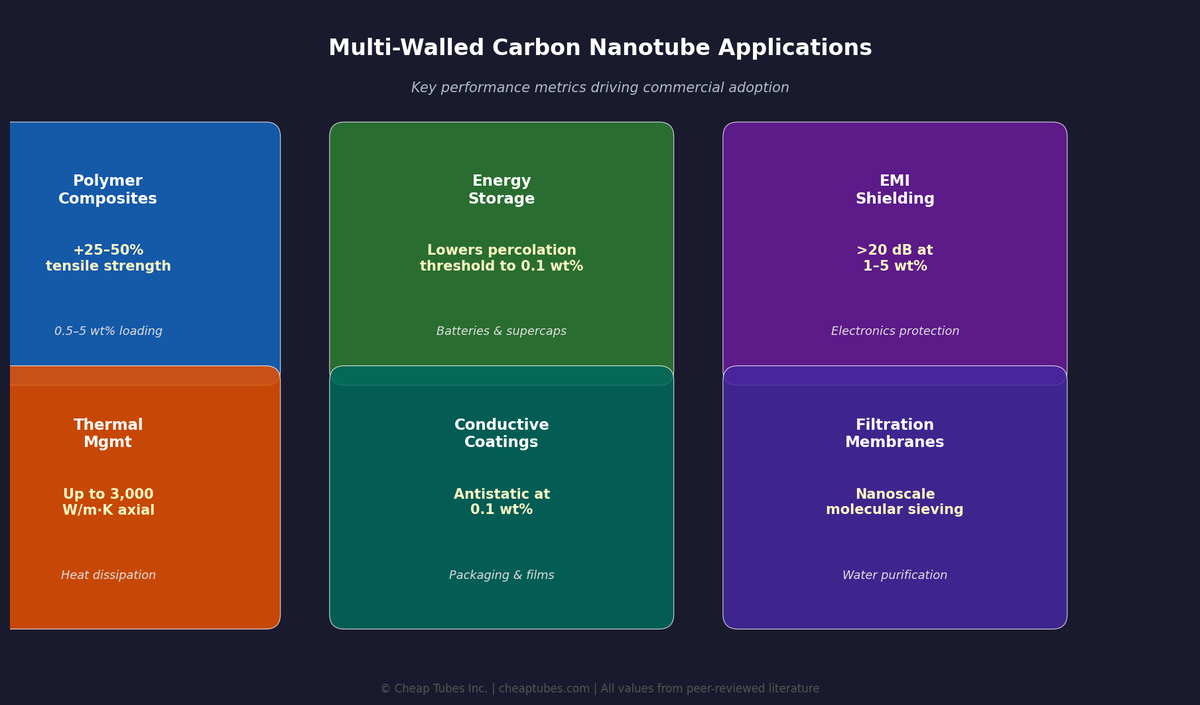
Electrical conductivity: 10³–10⁷ S/m. In composites, MWCNTs lower the percolation threshold dramatically — loadings as low as 0.1 wt% produce antistatic behavior; 1–5 wt% achieves EMI shielding >20 dB. Current density exceeds 10⁹ A/cm² — approximately 1000× copper.
Thermal Properties
Thermal conductivity along the nanotube axis: up to 3,000 W/m·K — exceeding diamond (~2,000 W/m·K) and far surpassing copper (~400 W/m·K). Thermally stable in inert atmospheres to ~2,800°C; oxidation begins at 400–600°C in air.
Applications
Polymer Composite Reinforcement
At 0.5–5 wt% loading in epoxy, polyurethane, PEEK, and nylon, MWCNTs increase tensile strength by 25–50% and improve impact resistance. Used in aerospace, automotive, and sporting goods applications.
Conductive Coatings and Inks
MWCNTs dispersed in solvents or binders create transparent or semi-transparent conductive coatings for antistatic packaging, touch screens, printed electronics, and EMI shielding films.
Energy Storage
In lithium-ion batteries, MWCNTs serve as conductive additives in cathode and anode formulations — improving rate capability and cycle life by maintaining electrical contact as electrodes expand and contract. Also used in supercapacitor electrodes.
Thermal Interface Materials
MWCNTs in thermal greases and phase-change materials improve heat dissipation from CPUs, power electronics, and LED assemblies. Vertically aligned MWCNT arrays are particularly effective due to anisotropic heat transport.
Water Filtration and Membranes
MWCNT membranes and buckypaper allow selective transport of small molecules while rejecting contaminants — enabling advanced water purification, gas separation, and biological filtration.
Synthesis
Most commercial MWCNTs — including Cheap Tubes standard grades — are produced by Chemical Vapor Deposition (CVD): a carbon-containing gas (ethylene, methane, or acetylene) is decomposed over a metal catalyst (Fe, Co, Ni) at 600–1200°C. CVD produces controllable diameter, length, and wall number at commercial scale. Arc discharge produces highly crystalline material but with more impurities. Laser ablation is high-quality but limited to research volumes.
Dispersion
As-produced MWCNTs aggregate due to van der Waals forces. Break bundles by: Probe sonication (20–40% amplitude, 15–30 min in solvent); Functionalization with COOH/OH/NH₂ for polar solvent and matrix compatibility; Surfactants (SDS, CTAB, Pluronics); High-shear mixing for high-viscosity epoxy systems.
Selecting Your Grade
Outer diameter — smaller (2–10 nm) = higher surface area, harder to disperse; larger (20–100 nm) = easier to handle. Purity — 90–95% for most applications; >99% for electrochemical and biomedical use. Length — longer (>10 μm) for mechanical reinforcement; shorter (1–5 μm) for thin films. Functionalization — COOH, OH, and NH₂ grades available for specific matrix compatibility.
MWCNT pricing from $10–$50/g depending on diameter, purity, length, and functionalization. Contact us for bulk pricing and custom specifications.
Showing all 10 results