By Mike Foley, Founder, Cheap Tubes Inc. · Last reviewed: May 3, 2026
TL;DR
Choosing graphene nanoplatelets (GNPs) comes down to four decisions: lateral size (typical 1–25 µm; controls aspect ratio and percolation behavior), thickness (1–15 nm, equivalent to 3–40 graphene layers; thinner = closer to true graphene properties), surface chemistry (pristine vs oxidized vs surface-treated; controls dispersion and matrix bonding), and grade (industrial vs research vs ultra-high-purity).
For conductive polymer composites, choose 5–10 µm lateral, 5–8 nm thick pristine GNPs at 1–5 wt% loading. For EMI shielding compounds, larger 15–25 µm laterals at 5–15 wt%. For battery anodes and conductive additives, thinner 3–5 nm higher-surface-area GNPs at 1–3 wt%. For graphene-reinforced concrete, oxidized or surface-treated GNPs at 0.01–0.1 wt% of cement weight. For thermal interface materials and tribology, 10–25 µm lateral, 8–15 nm thick. Cheap Tubes carries pristine and functionalized GNPs in research and industrial grades; bulk and metric-tonne quantities are available for industrial customers. Every order ships with a Technical Data Sheet (TDS) and Safety Data Sheet (SDS). Pricing in 2026 ranges from approximately $0.50–$2/g for industrial grades to $5–$30/g for research grades. Functionalized variants add 30–80% to base price.
Quick Navigation
- What Are Graphene Nanoplatelets?
- How GNPs Compare to Other Graphene Materials
- What Is Graphene? Background for First-Time Buyers
- Specifications That Matter
- Grade Selection: Industrial, Research, Ultra-High-Purity
- Applications
- How Are GNPs Made? Production Routes
- How to Disperse GNPs
- Pricing in 2026
- Cheap Tubes GNP Product Range
- Frequently Asked Questions
- References
- Related Resources
What Are Graphene Nanoplatelets?
Graphene nanoplatelets (GNPs), also called graphene platelets or sometimes few-layer graphene (FLG), are nanostructured carbon particles consisting of small stacks of graphene sheets (typically 3 to 40 layers) with lateral dimensions ranging from a few hundred nanometers to about 25 micrometers and thicknesses of 1 to 15 nanometers. They occupy the structural middle ground between single-layer graphene (one atomic layer, ~0.34 nm thick) and graphite (thousands of stacked layers, bulk crystalline carbon). The platelet morphology (high aspect ratio, planar geometry, sp²-bonded carbon) gives GNPs the same fundamental electronic, thermal, and mechanical properties as graphene, but at industrial production scale and a fraction of the cost.
The abbreviation GNPs is standard across both academic and commercial usage and is interchangeable with GnPs, graphene platelets, and few-layer graphene (FLG). You will also see the term xGnP in older literature and on legacy datasheets: this was a trademarked product name from XG Sciences (East Lansing, MI), an early commercial GNP supplier that ceased operations and is no longer in business. If you have past purchase orders, technical specifications, or qualification documents that reference xGnP, the materials were graphene nanoplatelets in the 5–25 µm lateral, 6–15 nm thickness range; equivalent material is available from Cheap Tubes and other suppliers under the standard GNP designation. When a paper or datasheet specifies thickness below ~3 nm (under 10 layers), the material may also be referred to as few-layer graphene or multilayer graphene; above ~10 nm thickness the morphology is closer to graphite nanoplatelets or expanded graphite, with correspondingly diminished single-sheet properties.
GNPs are produced industrially by mechanical or chemical exfoliation of graphite, typically via intercalation followed by thermal or microwave expansion, then size reduction by milling or ultrasonication. This route yields multi-tonne quantities at gram-level prices, which is why GNPs, not single-layer CVD graphene, are the workhorse graphene-family material for commercial composites, conductive additives, EMI shielding, batteries, and concrete reinforcement.
How GNPs Compare to Other Graphene-Family Materials
GNPs sit in a family of graphene-derived materials with different production methods, properties, and price points. Understanding where GNPs fit helps clarify when they are the right choice versus when graphene oxide (GO), CVD graphene films, or carbon nanotubes (CNTs) are better fits.
| Material | Layers | Lateral Size | Production | Price/g (2026) | Best For |
|---|---|---|---|---|---|
| Single-layer CVD graphene (on Cu, on Si/SiO₂, on PET, more films) | 1 | cm-scale film | CVD on Cu foil | $50–$500 (cm² basis) | Transparent conductors, OFETs, sensors, research |
| Graphene oxide (powder, single-layer 1–20 µm, single-layer 450 nm, GO gel, full GO catalog) | 1–3 | 0.5–10 µm | Modified Hummers oxidation | $5–$50 | Aqueous dispersions, films, reduction-to-rGO chemistry |
| Reduced graphene oxide (industrial grade, exfoliated rGO, research rGO) | 1–3 | 0.5–10 µm | Chemical/thermal reduction of GO | $10–$80 | Conductive applications where GO solubility chemistry was needed |
| Graphene nanoplatelets (GNPs) | 3–40 | 0.5–25 µm | Exfoliation of graphite | $0.50–$30 | Composites, EMI, batteries, concrete, thermal interface, tribology |
| Expanded graphite | 50–500 | 5–500 µm | Acid intercalation + expansion | $0.10–$5 | Bulk thermal management, fire retardants, gaskets |
| Graphite nanoflake | 100–1000 | 1–100 µm | Mechanical milling of graphite | $0.05–$2 | Lubricants, conductive coatings (low performance) |
GNPs win on price-to-property ratio for bulk applications. Single-layer graphene has marginally better per-sheet electrical and mechanical properties, but at 100–1,000× the cost, and the practical performance advantage in real composites is small once the single-layer material aggregates back into stacks during processing. CVD graphene films are essential for OFETs, transparent conductors, and applications requiring continuous monolayer coverage on a substrate, but they cannot be incorporated into composites or coatings at meaningful loadings. GO is the right choice when you need aqueous dispersibility (oxygen functional groups give it ~1 mg/mL solubility in water without surfactant) or when you plan to chemically reduce it to rGO in situ. For batteries, polymer composites, conductive inks, EMI compounds, concrete admixtures, thermal pads, and lubricants (the largest commercial graphene markets), GNPs are typically the right answer.
What Is Graphene? Background for First-Time GNP Buyers
For readers new to the graphene family: graphene is a single, two-atom-thick sheet of carbon atoms arranged in a hexagonal lattice. Discovered by Andre Geim and Konstantin Novoselov at the University of Manchester in 2004 (Nobel Prize in Physics 2010), graphene combines a Young’s modulus of approximately 1 TPa, intrinsic tensile strength of about 130 GPa, electrical conductivity of approximately 10⁸ S/m, thermal conductivity of 3,000–5,000 W/m·K, and a specific surface area of 2,630 m²/g, all in a material just one atom thick.
The challenge with single-layer graphene is scale-up. Methods that produce clean monolayer graphene (CVD on copper, mechanical exfoliation with adhesive tape, epitaxial growth on SiC) do not scale beyond cm² film areas or sub-gram powder quantities. Methods that scale (oxidation/reduction routes, exfoliation of graphite) inevitably produce few-layer or multi-layer materials with somewhat lower per-sheet performance. GNPs are the practical answer: 3–40 layer stacks that retain 70–95% of monolayer graphene’s electrical, thermal, and mechanical properties, produced at metric-tonne scale at gram-level prices. This is why GNPs, not CVD graphene, dominate commercial graphene applications in batteries, composites, concrete, and EMI shielding.
Specifications That Matter
Four spec categories drive GNP performance in real applications. When evaluating a GNP grade, ask the supplier for numerical values and characterization data (Raman, SEM, BET surface area, TGA) for each.
Lateral Size
Lateral size, the in-plane dimension of the platelet, is typically reported as a D50 (median by volume) from laser diffraction or as a range from SEM image analysis. Available ranges:
- 0.5–2 µm (sub-micron): highest specific surface area, best for catalyst supports and battery anodes where electrochemical surface activity is the dominant property. Disperses easily but reaches percolation at lower aspect ratio, requiring higher loading in composites.
- 2–10 µm (small-to-medium): the workhorse range for conductive polymer composites and EMI shielding applications. Good balance of aspect ratio for percolation and dispersibility.
- 10–25 µm (large): maximum aspect ratio, lowest percolation threshold, best for thermal interface materials, EMI shielding at high frequencies, and applications where in-plane thermal/electrical conductivity dominates. Harder to disperse uniformly without breaking platelets.
Larger laterals do not always equal better performance. In high-shear processing (twin-screw extrusion, 3-roll milling), large platelets fracture down to ~5–10 µm regardless of starting size, so over-specifying lateral size for a high-shear process wastes money. For low-shear applications (solvent casting, wet coating, concrete admixture mixing), large laterals retain their as-supplied dimensions and deliver maximum aspect ratio benefit.
Thickness (Number of Layers)
Thickness, typically reported in nm, sometimes as average layer count, determines how close the material is to true graphene properties. Each graphene layer is approximately 0.34 nm thick (interlayer spacing in graphite is 0.335 nm), so a 3 nm GNP corresponds to roughly 9 layers, a 5 nm GNP to ~15 layers, and a 15 nm GNP to ~45 layers. Available ranges:
- 1–3 nm (3–10 layers, “few-layer graphene”): closest to single-layer graphene properties. Highest surface area per gram, best per-sheet electrical and thermal performance. Most expensive GNP grade, typically $10–$30/g. Used for premium battery additives and high-performance composites where loading-cost trade-off favors thinner material.
- 3–8 nm (10–25 layers): the standard commercial range. Strong properties, reasonable cost ($1–$10/g for industrial grades), excellent processability. The right choice for most commercial composite, EMI, conductive-additive, and concrete applications.
- 8–15 nm (25–45 layers): approaches expanded graphite morphology. Cheapest GNP grade ($0.50–$3/g), still effective for thermal interface materials, tribology, fire retardancy, and applications where bulk thermal/mechanical reinforcement matters more than per-sheet electronic properties.
Specific Surface Area (BET)
BET specific surface area, measured by nitrogen adsorption (Brunauer-Emmett-Teller method), is a cross-check on thickness. Theoretical single-layer graphene has a BET surface area of 2,630 m²/g. Real GNPs typically range from 50 m²/g (thick, ~50-layer material) to 750 m²/g (very thin, nearly few-layer graphene). Surface area correlates inversely with thickness:
- 50–150 m²/g → thicker GNPs, 8–15 nm
- 150–400 m²/g → standard commercial range, 3–8 nm
- 400–750 m²/g → thinnest GNPs, approaching few-layer graphene, 1–3 nm
- 750 m²/g → vendor claim warrants scrutiny; verify with TEM and Raman
Higher surface area means more functional sites per gram (better for catalysis, batteries, concrete-cement bonding) but also more surface energy driving aggregation in composites. For polymer composite applications, target 150–400 m²/g; for catalyst, battery, and concrete-admixture work, 400–750 m²/g.
Surface Chemistry and Functionalization
Pristine GNPs are hydrophobic and aggregate strongly in polar solvents and polymer matrices. Surface modification (either chemical functionalization or physical surface treatment) improves dispersion, enables matrix bonding, and changes electrochemical behavior. Variants currently available from Cheap Tubes:
- Pristine GNPs and non-functionalized GNPs: unmodified, sp²-bonded carbon. Highest electrical conductivity, hydrophobic, requires surfactant for aqueous dispersion or shear/solvent for polymer dispersion. Standard choice for high-conductivity applications.
- COOH-functionalized GNPs: carboxyl groups introduced by mild acid oxidation. Improved dispersion in polar solvents (water, alcohols, NMP) and bonding to polar polymer matrices (epoxy, PA, PU). Slightly reduced electrical conductivity (5–20%) due to disrupted sp² network. Standard choice for epoxy, polyurethane, aqueous composite, and concrete-admixture work.
- NH₂-functionalized GNPs: amine groups for direct bonding to epoxy resins and conjugation to biomolecules. Premium grade, primarily research and high-performance composite applications.
Other functionalization chemistries, including OH, fluorinated, oxygen-rich, and nitrogen-doped variants, are described in the academic and patent literature and may be available through custom synthesis on a project basis. Contact Cheap Tubes directly for specialty surface chemistry requirements not covered by the standard product line.
Grade Selection: Industrial, Research, and Ultra-High-Purity
GNP grades differ in purity, characterization rigor, and per-batch consistency. Choose grade based on application sensitivity to trace contaminants and per-batch variation.
- Industrial grade ($0.50–$3/g): 95–98% carbon by TGA, 1–4% residual ash (Mn, Fe, Si from acid intercalation and milling). Specifications reported as ranges, not lot-specific. Suitable for bulk composites, fire retardants, lubricants, concrete admixtures, and applications where per-batch consistency to 5–10% is acceptable. Available in metric-tonne quantities: Cheap Tubes routinely supplies industrial GNPs in multi-hundred-kilogram and tonne quantities for production applications.
- Research grade ($3–$15/g): 98–99.5% carbon, <1% ash. Per-batch characterization includes Raman D/G ratio, SEM imaging, BET surface area, and TGA. Suitable for academic research, formulation development, and commercial applications requiring batch-to-batch consistency to 2–5%. Available in 100 g–10 kg quantities.
- Ultra-high-purity ($15–$30/g): >99.5% carbon, <0.2% ash, ICP-MS trace metals analysis. Essential for electrochemistry, biomedical research, and semiconductor applications where transition-metal contamination affects performance or safety. Available in gram-to-100-gram quantities.
Applications
Conductive Polymer Composites
The largest commercial market for GNPs. Adding 1–5 wt% pristine GNPs (5–10 µm lateral, 5–8 nm thick) to a polymer matrix raises bulk electrical conductivity from <10⁻¹² S/m (insulator) through the percolation threshold (typically 0.5–2 wt% for well-dispersed GNPs) to 10⁻³–10² S/m. Common matrices: polypropylene (PP), polyamide (PA 6, PA 6,6), polycarbonate (PC), epoxy resins, polyurethane (PU), PEEK, and PEI. Typical applications: electrostatic dissipation (ESD-safe enclosures, fuel-handling parts), electromagnetic interference shielding, antistatic flooring and conveyor belts, and conductive 3D printing filaments. For pre-blended industrial use, see also CNT masterbatches and the CNT/GNP conductive composite additive.
EMI Shielding
GNPs are widely used in EMI shielding compounds for electronics enclosures, automotive electronics, and aerospace cable shielding. At 5–15 wt% loading in polymer matrices, GNPs deliver 20–50 dB shielding effectiveness in the 1–18 GHz range, comparable to nickel-coated graphite at lower density and with better processability. For higher-frequency applications (5G, mmWave), larger lateral size (15–25 µm) GNPs perform better due to in-plane current spreading.
Battery Electrodes
GNPs serve two roles in lithium-ion batteries: as a conductive additive in cathodes (replacing or supplementing carbon black at 0.5–2 wt%) and as an anode active material or anode coating (often blended with silicon particles to buffer volume expansion). Thin-stack GNPs (3–5 nm thickness, 200–400 m²/g surface area) are preferred. The Si-graphene composite anode has been a focus of cell manufacturing R&D for over a decade and is beginning to appear in commercial cells from CATL, Group14, and others. For full background, see the Graphene Batteries Insider’s Guide.
Graphene-Reinforced Concrete
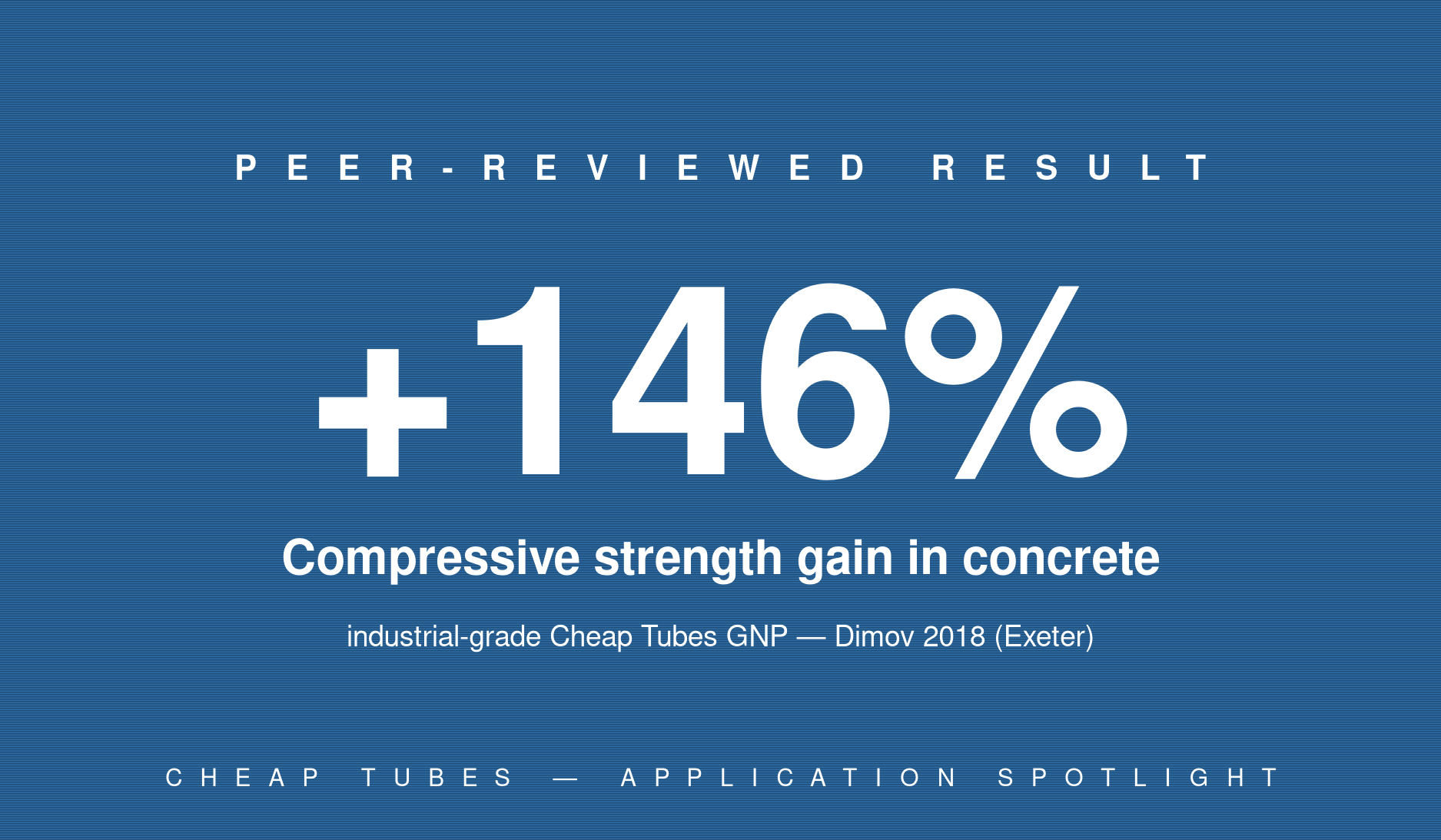
A high-growth commercial application. Adding GNPs to Portland cement at very low loadings, typically 0.01 to 0.1 wt% of cement weight, produces measurable improvements in compressive strength (10–35% gain), flexural strength (15–45% gain), reduced water permeability, and improved freeze-thaw durability. The mechanism involves both physical reinforcement of the cement paste matrix and acceleration of cement hydration kinetics. Oxidized or surface-treated GNPs disperse better in the alkaline cement environment than pristine GNPs; COOH-functionalized GNPs are the standard choice for concrete admixture work.
The economics work even at low loadings because the per-tonne cement cost is so low: a 0.05 wt% GNP loading in a cubic meter of concrete (~350 kg cement) consumes roughly 175 g of GNPs. At industrial GNP pricing of $1–$2/g, the additive cost is $175–$350 per cubic meter, which is offset many times over by the strength and durability gains in high-performance and infrastructure applications. Active R&D and emerging commercial deployments are happening in: bridge deck overlays, marine and offshore concrete, 3D-printed concrete structures, precast structural elements, oil-and-gas well cementing, and EV charging pad foundations.
For commercial concrete applications, Cheap Tubes can supply industrial-grade COOH-functionalized GNPs in multi-hundred-kilogram and metric-tonne quantities with documented batch consistency. Contact us for project-scale quotes and TDS samples sized for cement-formulation trials.
Thermal Interface Materials
GNPs deliver in-plane thermal conductivity of approximately 2,000–4,000 W/m·K (per platelet). Loaded into silicone or epoxy matrices at 20–40 wt%, GNP-based thermal interface materials achieve through-plane thermal conductivity of 5–15 W/m·K, competitive with boron-nitride-filled materials at similar loading and lower cost. Used in CPU/GPU heat spreaders, battery cooling pads, and LED thermal management.
Tribology and Lubricants
GNPs are excellent solid lubricant additives, providing low coefficient of friction (0.05–0.15 in dry contact) and wear reduction in metal-on-metal sliding contact. Dispersed at 0.1–1 wt% in mineral oils, synthetic lubricants, and grease, GNPs reduce wear by 30–70% in pin-on-disk and four-ball wear tests. Increasingly used in industrial machinery lubricants, EV gear oils, and high-pressure cutting fluids. See the Graphene Nanoparticles Lubricant Additive product for formulation-ready material.
Conductive Inks and Coatings
Surfactant-coated or oxidized GNPs are dispersed in water or alcohol solvents at 1–10 wt% solids for screen-printed, inkjet-printed, or spray-coated conductive films. Used for printed electronics, RFID antennas, EMI shielding paints, and conductive textiles. Sheet resistance of 10–1,000 Ω/sq is achievable depending on film thickness and curing conditions. See Flexiphene Surfactant Solutions for a ready-to-use surfactant-stabilized GNP dispersion.
Other Applications
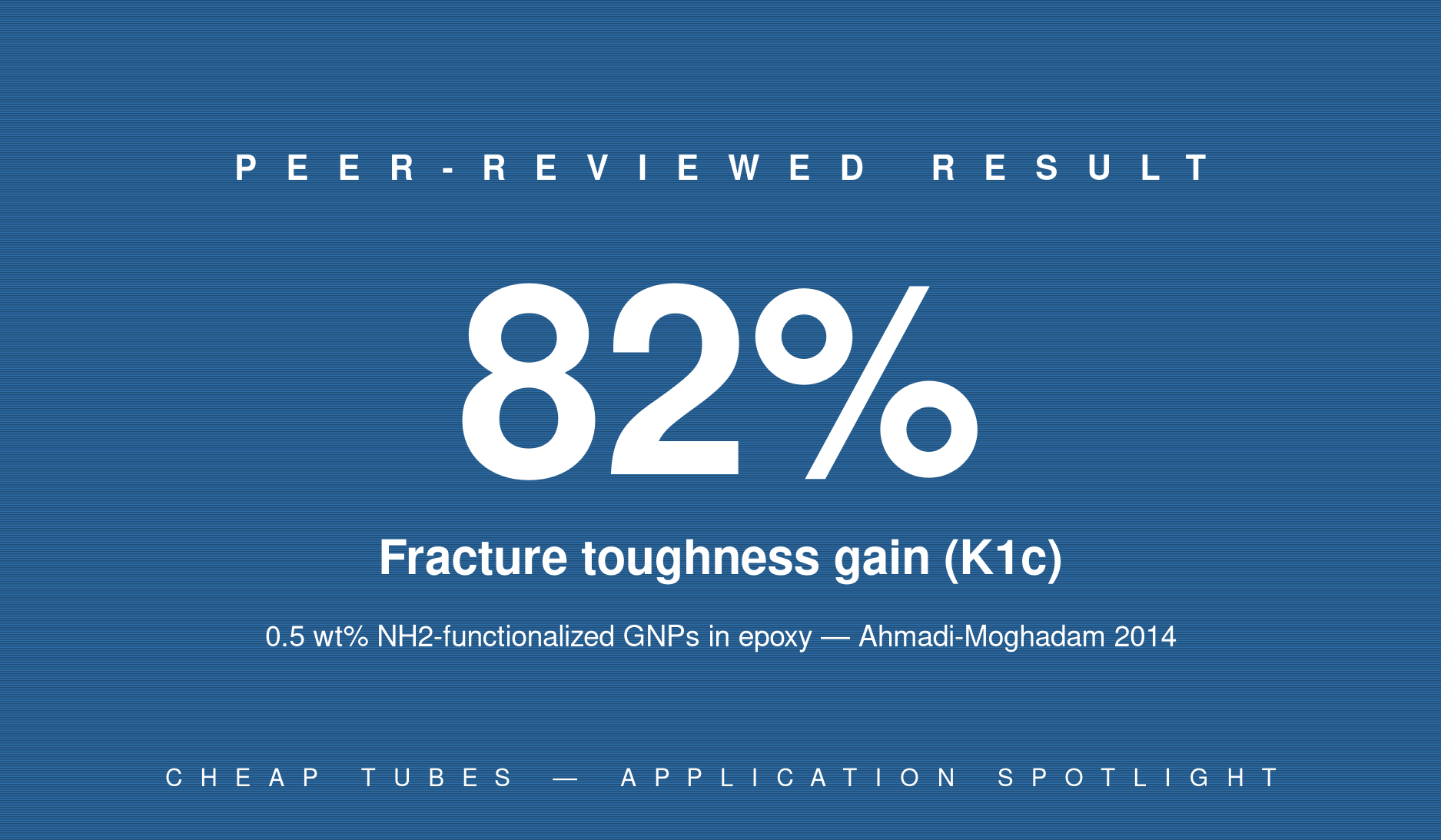
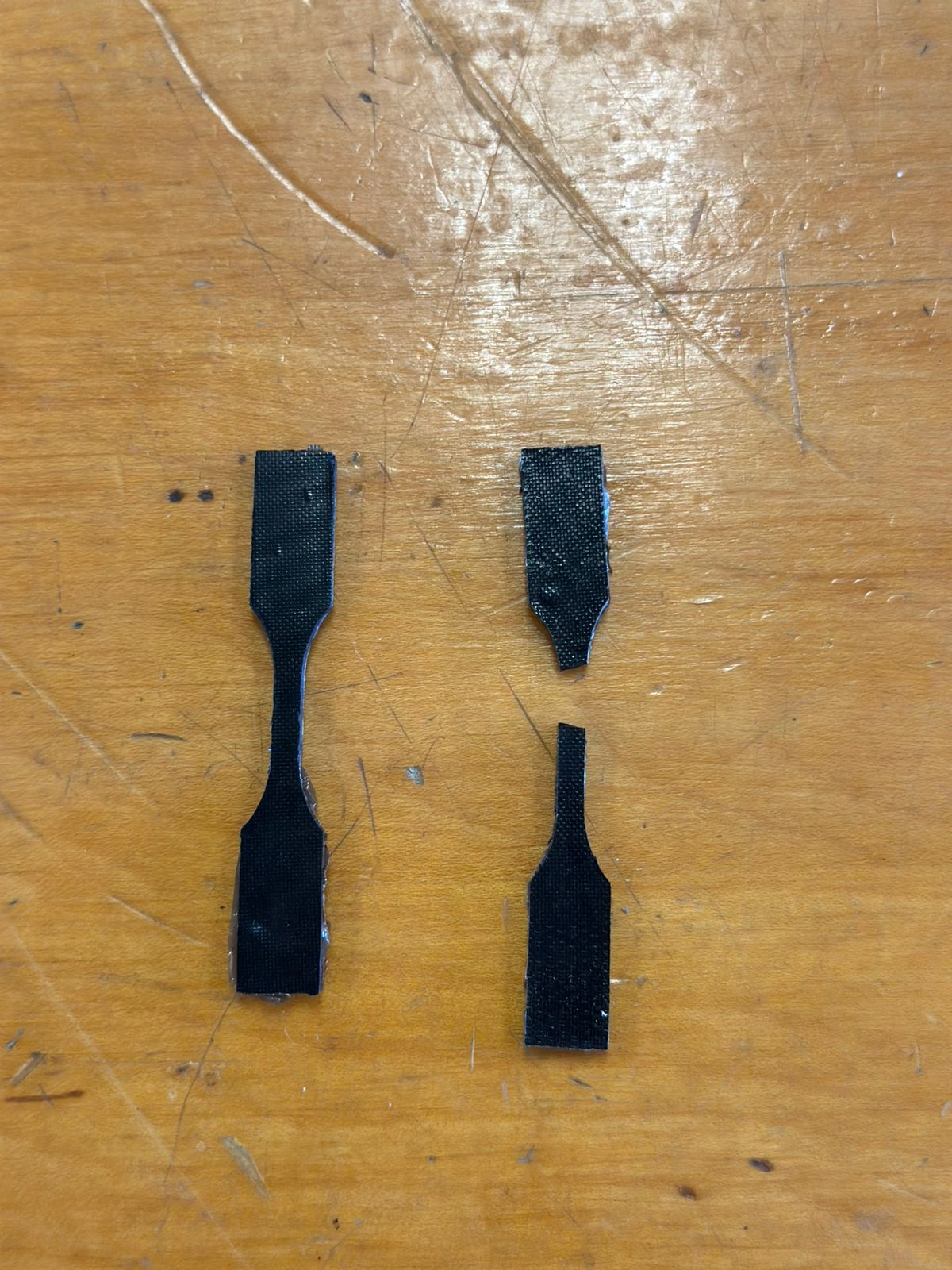
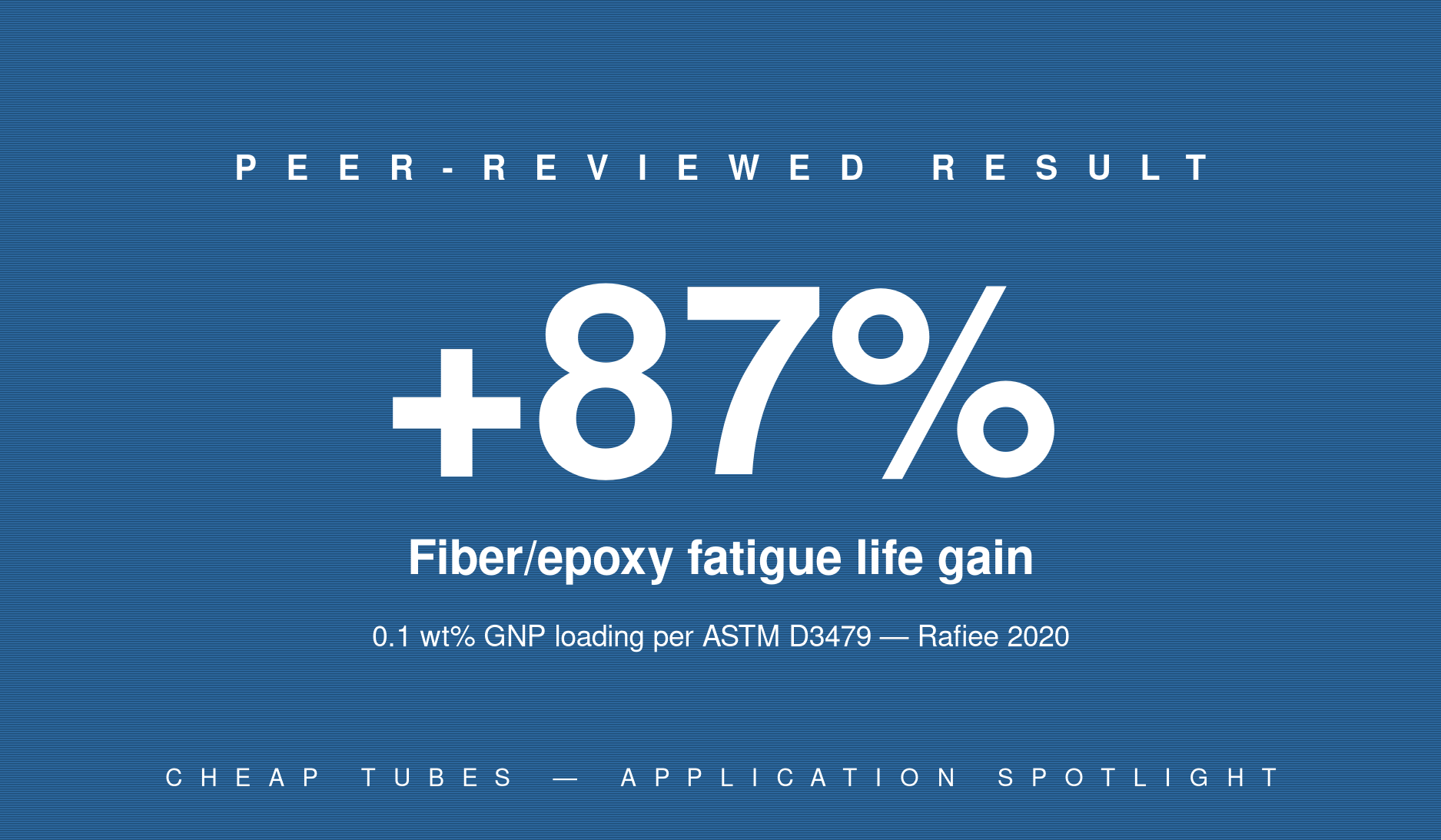
GNPs also see use in fire retardants (replacing or supplementing brominated flame retardants in polymer foams), structural composites (carbon-fiber reinforced epoxy with GNP toughening), water treatment membranes, gas-barrier coatings (particularly for flexible packaging), supercapacitor electrodes, and as catalyst supports for fuel cells and CO₂ reduction.
How Are GNPs Made? Production Routes Explained
Three main production routes dominate commercial GNP manufacturing. Each yields different morphologies, purities, and price points.
Acid intercalation and thermal expansion. Graphite flakes are immersed in concentrated sulfuric acid with an oxidizer (nitric acid, hydrogen peroxide, or potassium permanganate). The acid intercalates between graphite layers, weakening interlayer van der Waals bonds. Rapid heating (microwave or thermal shock at 600–1100 °C) flashes the intercalant to gas, which forcibly expands the graphite by 100× to 500× its original volume. The expanded “worm” structure is then mechanically size-reduced by ball milling, jet milling, or high-shear mixing to produce GNPs. This is the dominant industrial route: high throughput, low cost, but residual acid and intercalant give 1–4% ash content unless extensive post-purification is used.
Liquid-phase exfoliation. Graphite is dispersed in a solvent (NMP, DMF, ortho-dichlorobenzene, or water with surfactant) and subjected to high-energy ultrasonication or shear mixing. Solvation of the graphite surface lowers exfoliation energy, allowing sheets to peel apart layer-by-layer. Yields are lower than the acid route (typically 1–5% by mass after centrifugation to remove unexfoliated material) but the resulting GNPs are pristine, high-purity, and often thinner (1–5 nm). Used for research-grade and ultra-high-purity material.
Electrochemical exfoliation. Graphite electrodes are subjected to anodic or cathodic potentials in aqueous or non-aqueous electrolytes (sulfate salts, persulfates, ionic liquids). Intercalating ions and gas evolution (O₂ or H₂) force exfoliation. Throughput is moderate, purity is good, and the process is more environmentally benign than the acid route. Increasingly used for mid-cost, mid-purity GNP grades.
For commercial production at scale, the acid intercalation + thermal expansion + milling route accounts for the great majority of global GNP supply. For research-grade and battery-grade material requiring high purity, liquid-phase exfoliation is more common. Cheap Tubes carries grades produced by all three routes.
How to Disperse GNPs
Dispersion quality determines whether GNPs deliver their per-sheet performance or behave like agglomerated graphite filler. The right dispersion protocol depends on matrix and application.
Aqueous dispersion (for inks, water-based coatings, electrochemistry, concrete admixtures):
- Pristine GNPs require a surfactant (sodium cholate, sodium dodecylbenzenesulfonate, Pluronic F127, or polyvinylpyrrolidone at 0.5–2 wt%) and probe sonication (30–50% amplitude, ice-bathed, 15–30 minutes total).
- Oxidized GNPs (COOH, OH, O variants) disperse directly in water at 1–5 mg/mL with brief bath sonication.
- Centrifuge at 5,000–10,000 g for 30 minutes to remove residual aggregates; decant the stable supernatant.
- For concrete admixtures: pre-disperse in superplasticizer solution (polycarboxylate ether, PCE) at 5–20 mg/mL before adding to the cement mix.
Polymer solvent dispersion (for solution casting, spin coating):
- Use NMP, DMF, DMAc, ortho-dichlorobenzene, or chloroform depending on polymer compatibility.
- Probe sonicate in solvent before adding polymer (15–30 minutes), then add and re-disperse.
- Maximum stable concentration: typically 5–20 mg/mL in NMP, lower for chlorinated solvents.
Melt processing (for thermoplastic composites):
- Twin-screw extrusion at high shear (200–500 RPM) and matrix-appropriate temperature is the standard route. Pre-blend GNP powder with polymer pellets in a mixer before feeding.
- For PP, PA, PC, ABS: barrel temperature 180–280 °C depending on matrix, extrusion residence time 30–90 seconds.
- Higher loadings (5–15 wt%) are processable in twin-screw equipment; single-screw extruders typically max out at 2–5 wt% before viscosity becomes prohibitive.
Thermoset / liquid prepolymer dispersion (for epoxies, polyurethanes):
- Three-roll mill at 50–200 RPM gap-roller speed, multiple passes, is the standard route.
- For low-viscosity prepolymers, high-shear mixers (Silverson, Ross) deliver acceptable dispersion at lower equipment cost.
- Use functionalized GNPs (COOH or amine-grafted) for best epoxy bonding.
Pricing in 2026
Per-gram GNP pricing varies by an order of magnitude across grades and quantities. Approximate 2026 ranges:
- Industrial-grade GNPs (8–15 nm, 95–98% C), 1–10 kg: $0.50–$2/g
- Industrial-grade GNPs, 100+ kg: $0.30–$1/g
- Industrial-grade GNPs, metric-tonne quantities: $0.10–$0.50/g, project-quoted
- Standard research-grade (3–8 nm, 99% C), 100 g–1 kg: $3–$10/g
- Premium few-layer (1–3 nm, 99.5% C), 1–100 g: $10–$30/g
- Functionalized GNPs (COOH, OH, NH₂, F, N-doped): add 30–80% to base GNP price
- Custom blends, surface treatments, or tight-spec material: quoted per project
Volume discounts begin around 5 kg for industrial grade and 1 kg for research grade. For metric-tonne and multi-tonne quantities of industrial-grade GNPs (composite, EMI, concrete, lubricant applications), Cheap Tubes provides project-quoted pricing with 8–12 week lead times and dedicated technical support for scale-up.
Cheap Tubes GNP Product Range
Cheap Tubes carries pristine, oxidized, and functionalized graphene nanoplatelets in industrial, research, and ultra-high-purity grades, with multiple lateral size and thickness options. Standard grades ship in 25 g, 100 g, 500 g, and 1 kg quantities; bulk and metric-tonne orders are available for industrial customers and are quoted per project. Every GNP order includes a Technical Data Sheet (TDS) with Raman D/G ratio, BET surface area, SEM imaging, TGA carbon content, and lateral size distribution from laser diffraction; GHS-compliant Safety Data Sheets (SDS) are included with all shipments. ICP-MS trace metals analysis is available on request for ultra-high-purity orders.
Pristine and Non-Functionalized:
- Graphene Nanoplatelets (pristine): workhorse grade, 5–10 µm lateral, 5–8 nm thick
- Graphene Nanoplatelets Non-Functionalized: alternative non-functionalized grade for research
Functionalized GNPs:
- COOH-Functionalized Graphene Nanoplatelets: carboxyl groups, polar dispersion, concrete admixtures, epoxy bonding
- NH₂-Functionalized Graphene Nanoplatelets: amine-functional, biomedical and epoxy bonding
Application-Specific Formulations:
- Graphene Nanoparticles Conductive Additive: pre-blended GNP/CB conductive additive for batteries and ESD applications
- Graphene Nanoparticles Lubricant Additive: formulation-ready for oils, greases, and EV gear lubricants
- Flexiphene Surfactant Solutions: surfactant-stabilized aqueous GNP dispersion for inks and coatings
See the full graphene nanoplatelets product catalog for complete current grades, pricing, and lead times. For custom formulation requests (specific lateral size targets, surface treatments, masterbatch blends with carrier polymers, bulk and tonne-scale supply for concrete or composite production), contact mike@cheaptubes.com directly.
About the author
Mike Foley is the founder of Cheap Tubes Inc. and CTI Materials LLC, with 21 years of experience in carbon nanomaterials supply and a prior background in semiconductor wafer fabrication and thin film optics manufacturing dating to 1994. Mike holds 2 granted U.S. patents in carbon nanomaterial applications, and his patented materials were selected by NASA for the Enceladus mission as a dual-capacitance layer in ion-selective electrodes designed to detect bacterial secretions in the search for evidence of extraterrestrial life. He is based in southern Vermont.
Frequently Asked Questions
What is the difference between graphene and graphene nanoplatelets?
Single-layer graphene is one atomic layer of carbon (~0.34 nm thick). Graphene nanoplatelets (GNPs) are stacks of 3 to 40 graphene layers (1–15 nm thick) with lateral dimensions of 0.5–25 µm. GNPs retain 70–95% of single-layer graphene’s electrical, thermal, and mechanical properties at metric-tonne production scale and gram-level pricing, which is why they dominate commercial graphene applications in composites, batteries, concrete, and EMI shielding.
What does GNPs stand for?
GNPs stands for graphene nanoplatelets. The same material is also written GnPs (lowercase n), graphene platelets, few-layer graphene (FLG) when thickness is below ~3 nm, or, in legacy literature, xGnP (a trademarked brand name from XG Sciences, an early commercial GNP supplier that is no longer in business). All refer to the same class of multi-layer graphene material produced by exfoliation of graphite.
What happened to XG Sciences and the xGnP product line?
XG Sciences (East Lansing, Michigan) was one of the first commercial graphene nanoplatelet suppliers in North America, marketing their material under the trademarked brand “xGnP”. The company ceased operations and is no longer in business. If you have past technical specifications, qualification documents, or formulation history that references xGnP material, equivalent graphene nanoplatelets are available from Cheap Tubes: the underlying material is industrially exfoliated GNPs, and we can match typical xGnP grades to our pristine, COOH-functionalized, or O-functionalized GNP product lines based on the original specs.
How are graphene nanoplatelets made?
Three production routes dominate commercial GNP manufacturing: (1) acid intercalation of graphite followed by thermal or microwave expansion and milling (the highest-throughput, lowest-cost industrial route); (2) liquid-phase exfoliation of graphite in solvent or surfactant solution under ultrasonication or high-shear mixing (yields pristine, high-purity material at lower throughput); (3) electrochemical exfoliation of graphite electrodes in aqueous electrolytes (moderate throughput, good purity, more environmentally benign). The acid route accounts for the majority of global supply; liquid-phase exfoliation is preferred for research-grade and battery-grade material.
What is the typical loading of GNPs in a polymer composite?
Loading depends on application and target property. For electrical percolation (antistatic, ESD-safe parts), 1–5 wt% of well-dispersed pristine GNPs typically reaches 10⁻⁹ to 10⁻⁵ S/m bulk conductivity in most polymer matrices. For EMI shielding compounds targeting 20–50 dB attenuation, 5–15 wt%. For thermal interface materials targeting 5–15 W/m·K through-plane conductivity, 20–40 wt%. For battery conductive additives, 0.5–2 wt% supplementing or replacing carbon black. For graphene-reinforced concrete, 0.01–0.1 wt% of cement weight. Better dispersion lowers the percolation threshold, so processing matters as much as loading.
How do I use graphene nanoplatelets in concrete?
Use COOH-functionalized GNPs at 0.01–0.1 wt% of cement weight (typically 0.03–0.05 wt% is the optimum for most Portland cement formulations). Pre-disperse the GNPs in a polycarboxylate ether (PCE) superplasticizer solution at 5–20 mg/mL using probe sonication or high-shear mixing. Add the GNP-superplasticizer mix to the gauging water before combining with the dry cement and aggregate. Expected gains: 10–35% compressive strength, 15–45% flexural strength, reduced water permeability, and improved freeze-thaw durability. For commercial concrete production, Cheap Tubes supplies industrial-grade COOH GNPs in multi-hundred-kilogram and tonne quantities with batch-consistent specifications.
Are GNPs the same as graphene oxide?
No. Graphene oxide (GO) is single- to few-layer graphene with substantial oxygen functional groups (carboxyl, hydroxyl, epoxide) covering both surfaces, typically 30–40 wt% oxygen content. GO is hydrophilic, aqueous-dispersible without surfactant, and electrically insulating until reduced. GNPs are predominantly pristine sp²-bonded graphene stacks (1–3 wt% oxygen at most, more on functionalized variants), hydrophobic, and electrically conductive. Different applications: GO for aqueous chemistry, films, and reduction-to-rGO routes; GNPs for composites, batteries, concrete, EMI, and thermal management.
How do I disperse GNPs in water?
Pristine GNPs require a surfactant (sodium cholate, sodium dodecylbenzenesulfonate, or Pluronic F127 at 0.5–2 wt%) and probe sonication at 30–50% amplitude in an ice-bathed vessel for 15–30 minutes. Functionalized GNPs (COOH, NH₂) disperse directly in water at 1–5 mg/mL with brief bath sonication. Centrifuge at 5,000–10,000 g for 30 minutes to remove aggregates; decant the stable supernatant.
How do I choose between pristine and functionalized GNPs?
Choose pristine for applications dominated by electrical or thermal conductivity (battery additives, EMI shielding, thermal interface materials, conductive composites). Choose functionalized (COOH, NH₂) for polar polymer matrices (epoxies, polyurethanes, polyamides), aqueous dispersions, concrete admixtures, or applications requiring covalent matrix bonding for mechanical reinforcement. Functionalization typically reduces electrical conductivity by 5–20% but improves composite property uniformity by lowering aggregation.
What grade should I order for academic research?
For exploratory work, research-grade GNPs (98–99.5% carbon, batch-characterized) at 100 g quantities are the most cost-effective starting point. For publication-quality electrochemistry, biomedical, or semiconductor research, ultra-high-purity grade (>99.5% C, ICP-MS verified) is recommended. For commercial scale-up after lab validation, transition to industrial-grade material with periodic spot-checks against the research-grade baseline.
Are GNPs safe to handle?
Standard nanomaterial handling protocols apply: nitrile gloves, lab coat, dust containment in fume hood for any process generating airborne particulate, N95 or P100 respirator for processes that could aerosolize material. GNPs have substantially lower inhalation toxicity concerns than long fibrous SWCNTs (which trigger asbestos-like alveolar responses in animal models) but airborne nanopowder of any composition warrants respiratory protection. Once dispersed in a polymer matrix, concrete, or coating, GNPs are bound and inhalation risk drops substantially. Always consult the specific product’s SDS.
Can I get bulk pricing on GNPs? Can Cheap Tubes supply tons?
Yes to both. Quantities above 5 kg of industrial-grade material receive tiered discounts; orders of 100 kg or more are quoted individually. Cheap Tubes routinely supplies graphene nanoplatelets in metric-tonne and multi-tonne quantities for production composite, EMI, concrete, and lubricant applications, with 8–12 week lead times and project-scale technical support. Contact us for bulk and tonne-scale quotes.
What ships with every GNP order?
Every Cheap Tubes GNP order ships with a Technical Data Sheet (TDS) covering Raman D/G ratio, BET surface area, SEM imaging, TGA carbon content, lateral size distribution from laser diffraction, and average thickness from AFM or XRD. A GHS-compliant Safety Data Sheet (SDS) is included. ICP-MS trace metals analysis is available on request for ultra-high-purity orders. Representative data provided; a representative Certificate of Analysis is available on request.
How do I store GNP powder?
Pristine GNP powder is air-stable and tolerates room-temperature storage in sealed containers, away from direct light and moisture, for years. Functionalized GNPs (COOH, OH, NH₂) are best stored at room temperature in sealed containers with desiccant; long-term storage above 40 °C can slowly degrade surface functional groups. Aqueous and solvent dispersions: refrigerate, shield from light, and re-sonicate briefly before reuse to redisperse settled material.
Where can I buy graphene nanoplatelets?
Cheap Tubes Inc. carries pristine, oxidized, and surface-treated graphene nanoplatelets in industrial, research, and ultra-high-purity grades, with multiple lateral size, thickness, and surface chemistry options. See the graphene nanoplatelets product catalog for current grades and pricing. For bulk and tonne-scale production supply, contact mike@cheaptubes.com.
References
- Geim, A. K.; Novoselov, K. S. Nature Materials 2007, 6, 183–191. “The rise of graphene.”
- Cai, M.; Thorpe, D.; Adamson, D. H.; Schniepp, H. C. Journal of Materials Chemistry 2012, 22, 24992. “Methods of graphite exfoliation.”
- Coleman, J. N. et al. Science 2011, 331, 568–571. “Two-dimensional nanosheets produced by liquid exfoliation of layered materials.”
- Sengupta, R.; Bhattacharya, M.; Bandyopadhyay, S.; Bhowmick, A. K. Progress in Polymer Science 2011, 36, 638–670. “A review on the mechanical and electrical properties of graphite and modified graphite reinforced polymer composites.”
- Liang, J.; Wang, Y.; Huang, Y. et al. Carbon 2009, 47, 922–925. “Electromagnetic interference shielding of graphene/epoxy composites.”
- Geim, A. K. Science 2009, 324, 1530–1534. “Graphene: status and prospects.”
- Pan, S.; He, X.; Suo, J.; Zhao, Y. Cement and Concrete Composites 2015, 58, 140–147. “Mechanical properties and microstructure of a graphene oxide–cement composite.”
- Lu, Z.; Hou, D.; Meng, L.; Sun, G.; Lu, C.; Li, Z. RSC Advances 2015, 5, 100598–100605. “Mechanism of cement paste reinforced by graphene oxide / carbon nanotubes composites with enhanced mechanical properties.”
Related Resources
- SWCNT Buying Guide: Diameter, Purity, Functionalization
- Graphene Oxide Buying Guide
- Graphene Batteries: Insider’s Guide
- Solar Applications of Graphene
- Nanotechnology Glossary
- All Resources
Single-source, up-to-date pricing, specifications, and characterization data current as of May 2026. For lot-specific data, custom formulations, bulk and tonne-scale quotes, or technical questions, contact Cheap Tubes directly.
Battery applications for graphene nanoplatelets
GNP is the workhorse carbon material for silicon anode composites and EDLC supercapacitor electrodes. The 5–25 µm lateral size, 5–15 nm thickness range covers most production battery work. Application-specific guides:
- Graphene & CNT Battery Applications hub: full overview of GNP across battery application categories
- Silicon-CNT & Graphene Lithium-Ion Anodes: GNP at 5–30 wt% in Si-graphene shell and sandwich architectures
- Graphene & MXene Supercapacitor Electrodes: GNP as EDLC conductive backbone, GNP+activated carbon hybrid composites
- CNT & Graphene in Li-S, Li-air, Solid-State Batteries: graphene-family materials in next-generation chemistry R&D
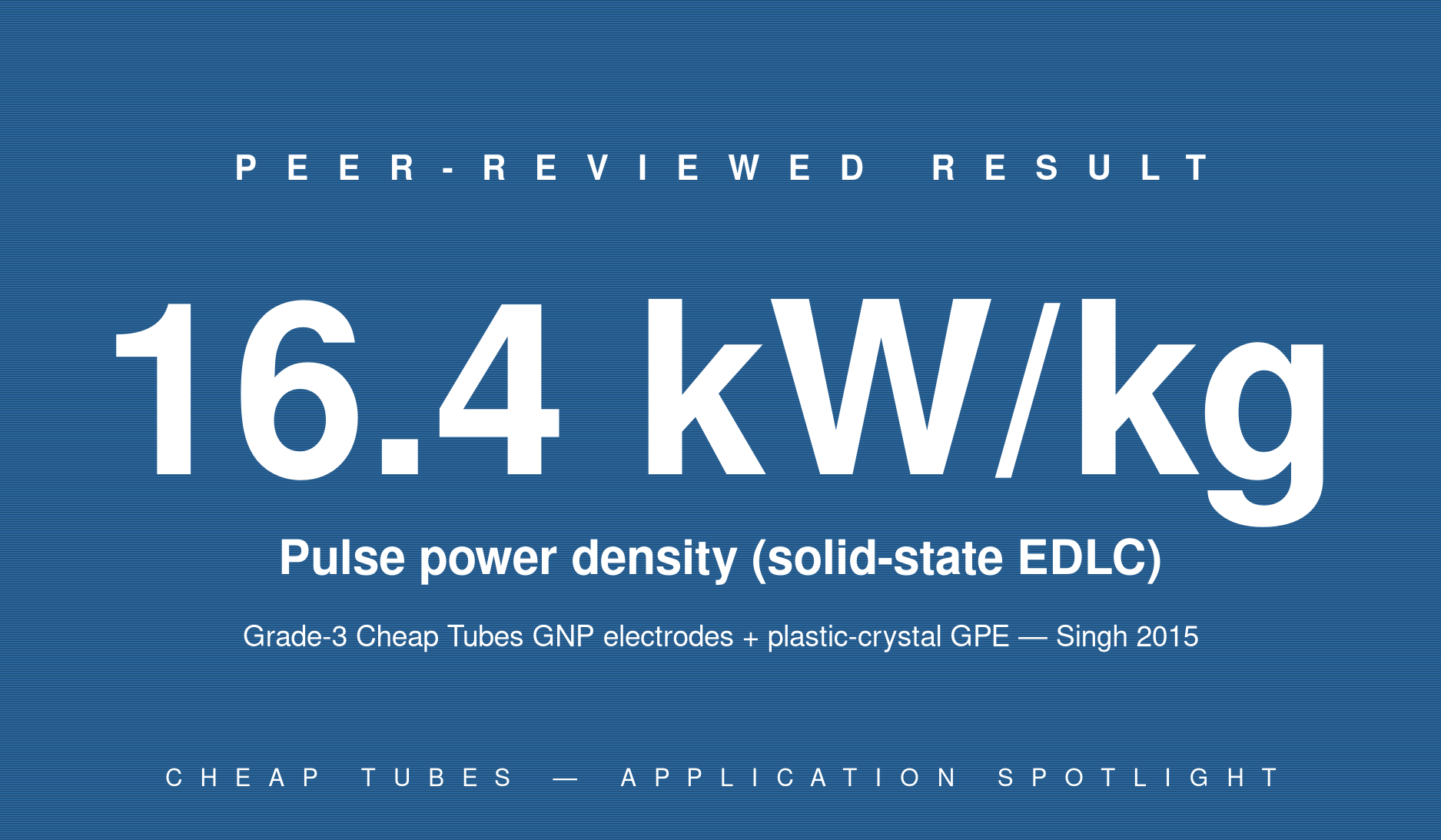
Real-world performance — Application Spotlights for GNPs
Peer-reviewed studies and independent engineering trials that used Cheap Tubes graphene nanoplatelets and reported measurable performance gains. Each Spotlight links the source paper for verification: