
Description
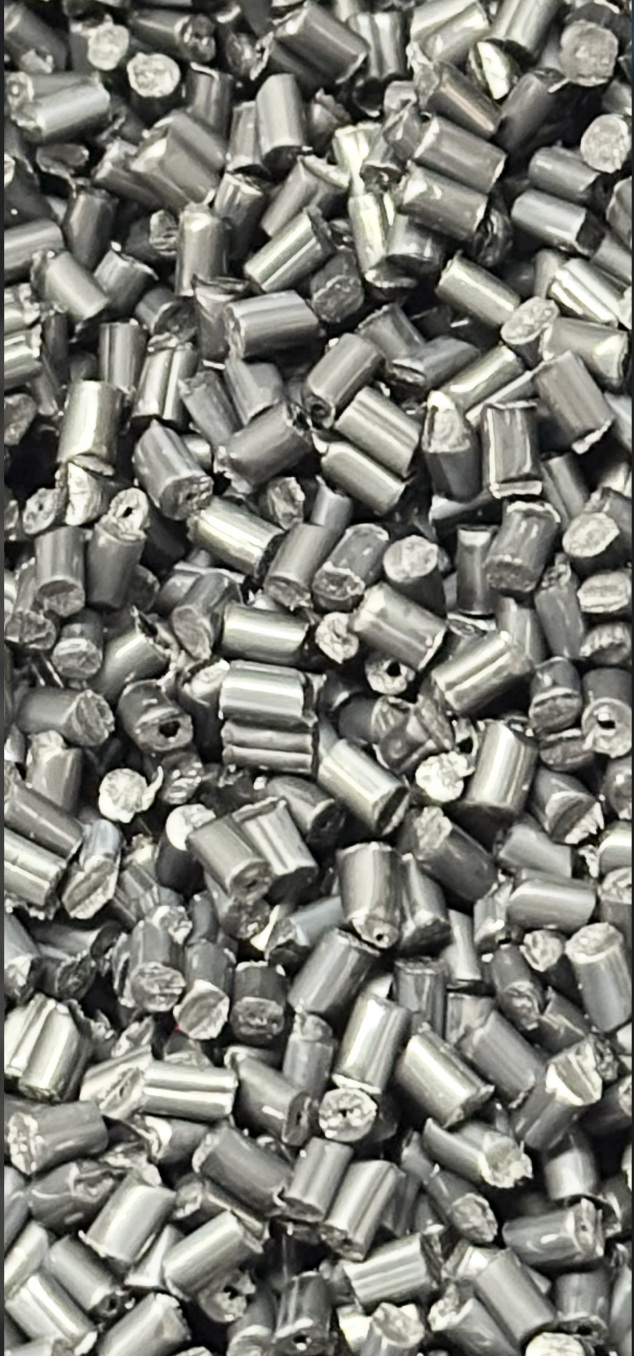
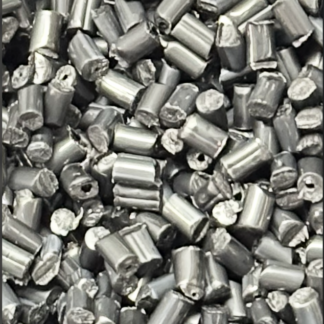
Cheap Tubes Flexiphene-Reinforced PA 66 Nanocomposite Pellets deliver production-validated graphene reinforcement in an engineering thermoplastic, ready for compression molding, injection molding, and extrusion processing.
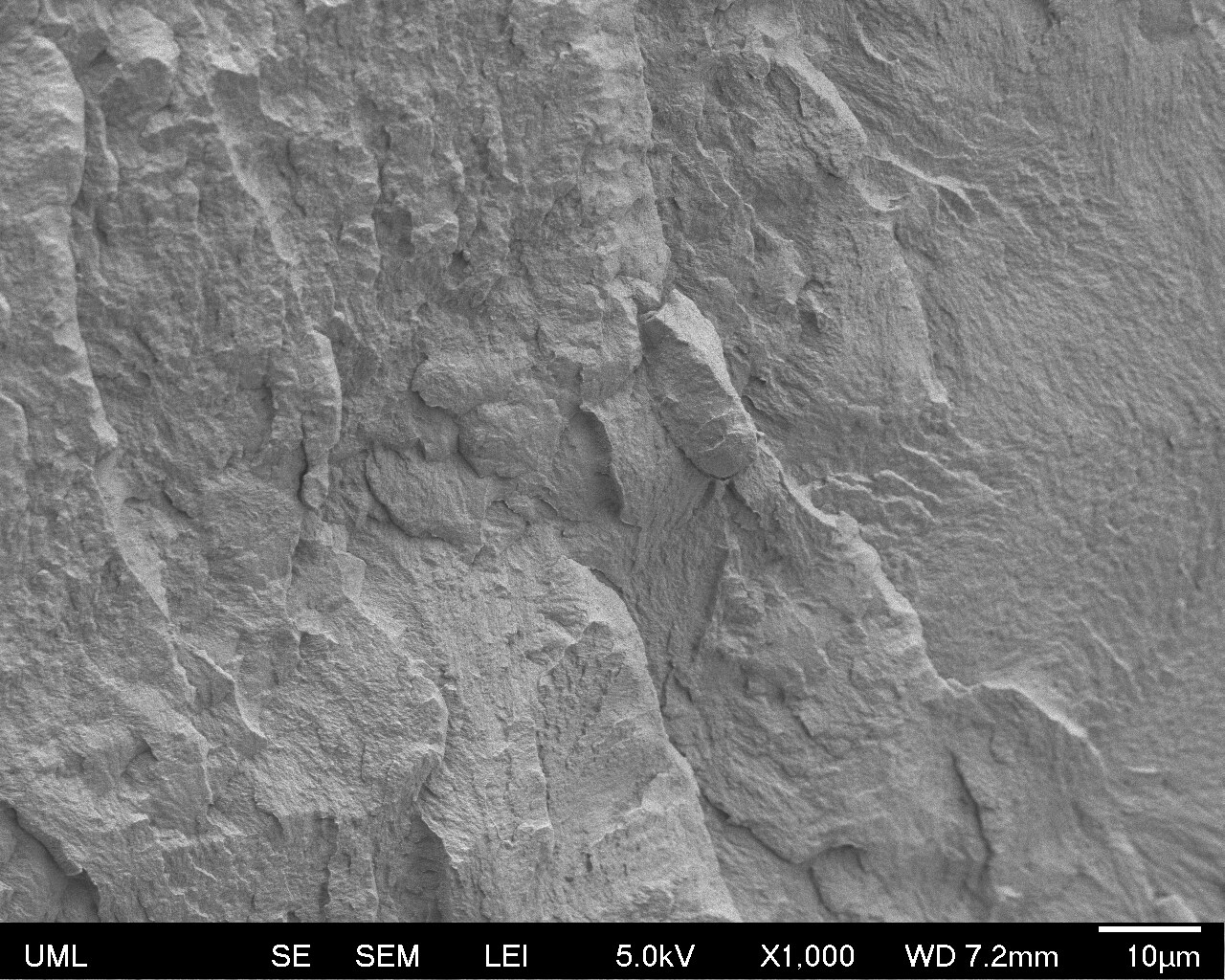
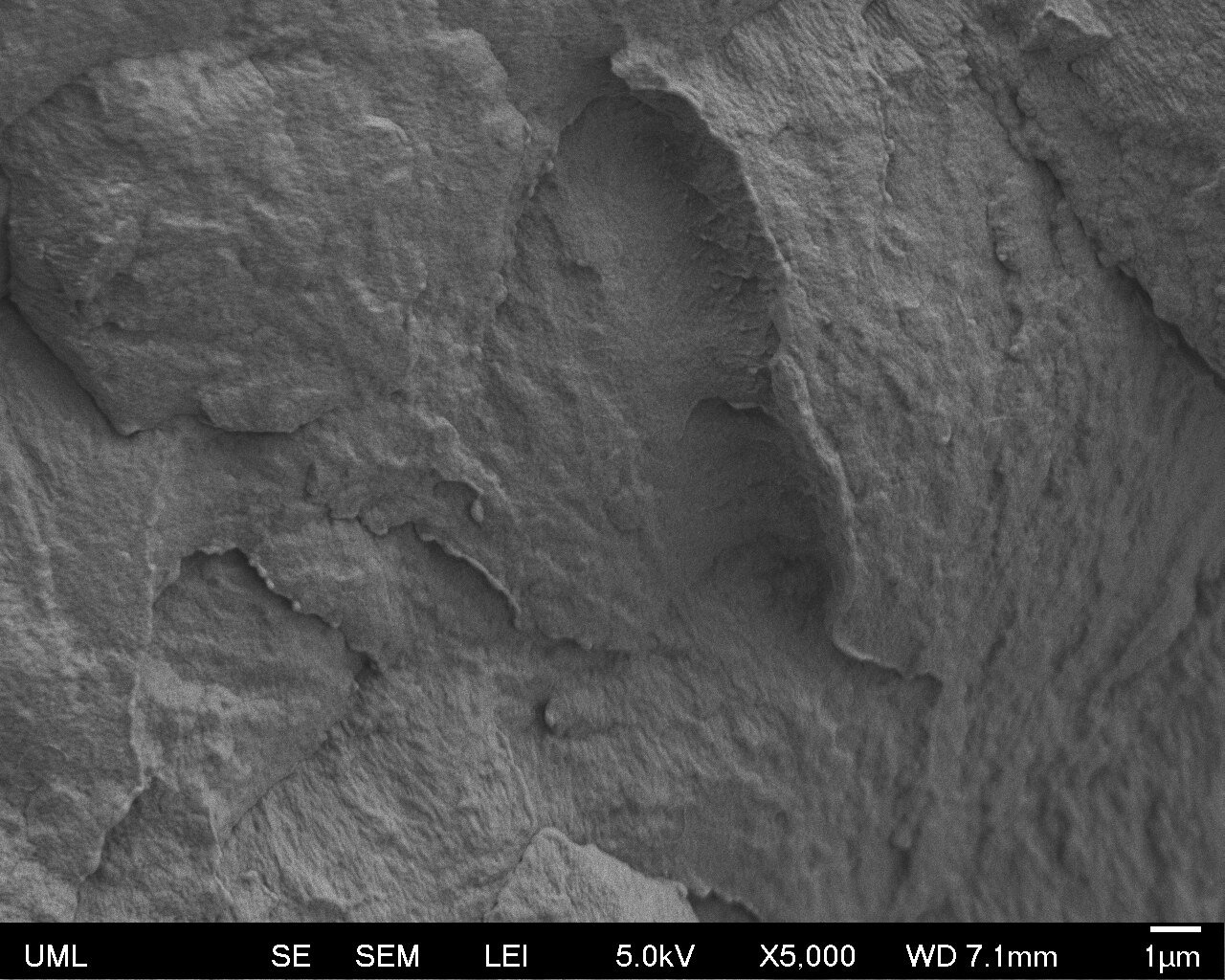
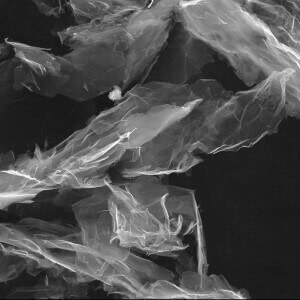
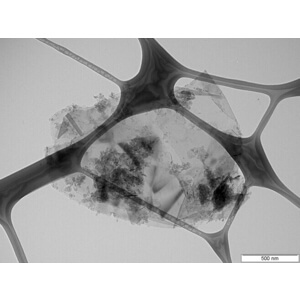
The material is compounded using Cheap Tubes’ patented Flexiphene amphiphilic graphene surfactant technology, which disperses graphene nanoplatelets in the PA 66 matrix at 1 wt% loading without conventional surfactant residues. Independent testing at the University of Massachusetts Lowell engineering lab confirmed uniform dispersion (no agglomeration observed in SEM at multiple magnifications) and substantial mechanical property gains versus neat PA 66:
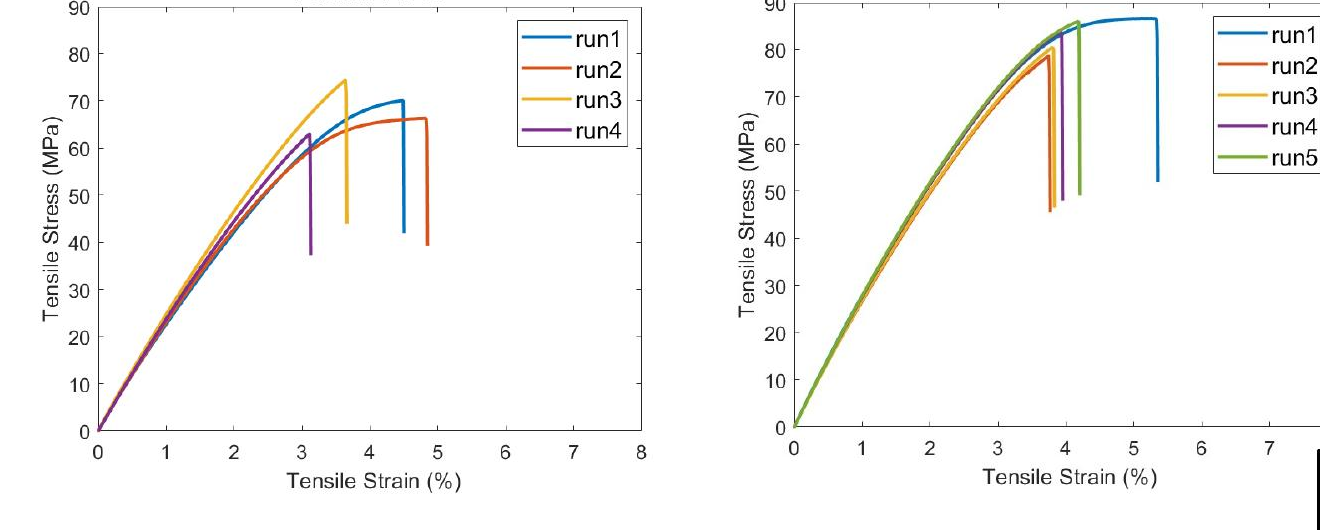
- +19% tensile strength (68.5 → 83.1 MPa)
- +16.8% tensile modulus (2,473 → 2,888 MPa)
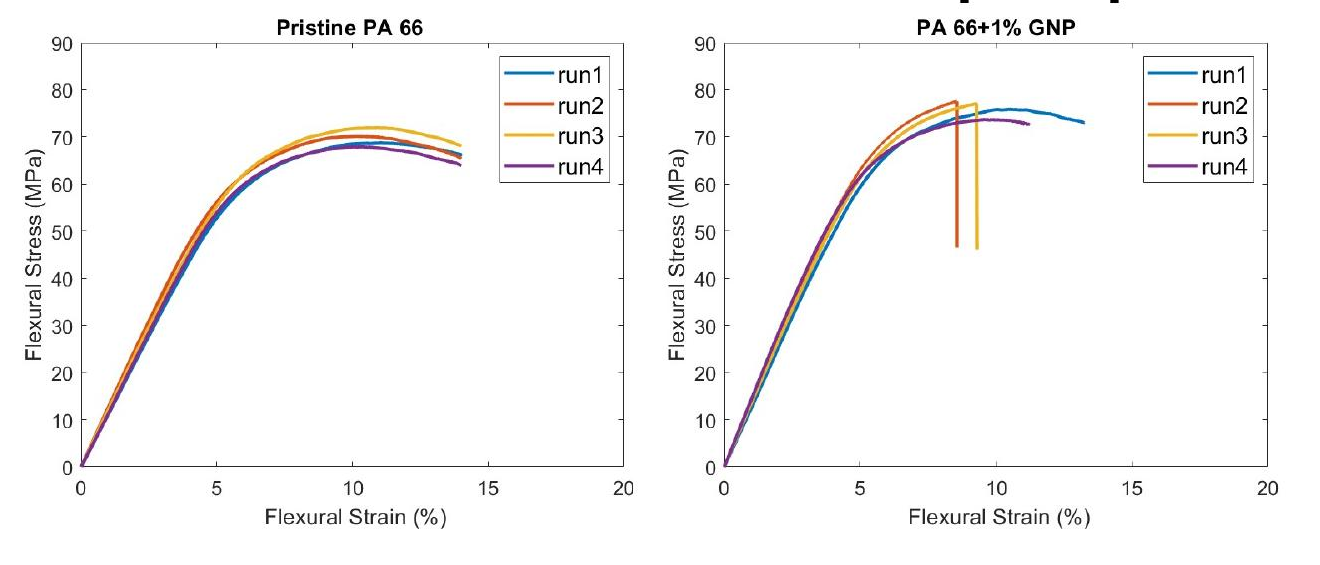
- +18.9% flexural modulus (1,157 → 1,376 MPa)
- +10.5% flexural strength (68 → 76 MPa)
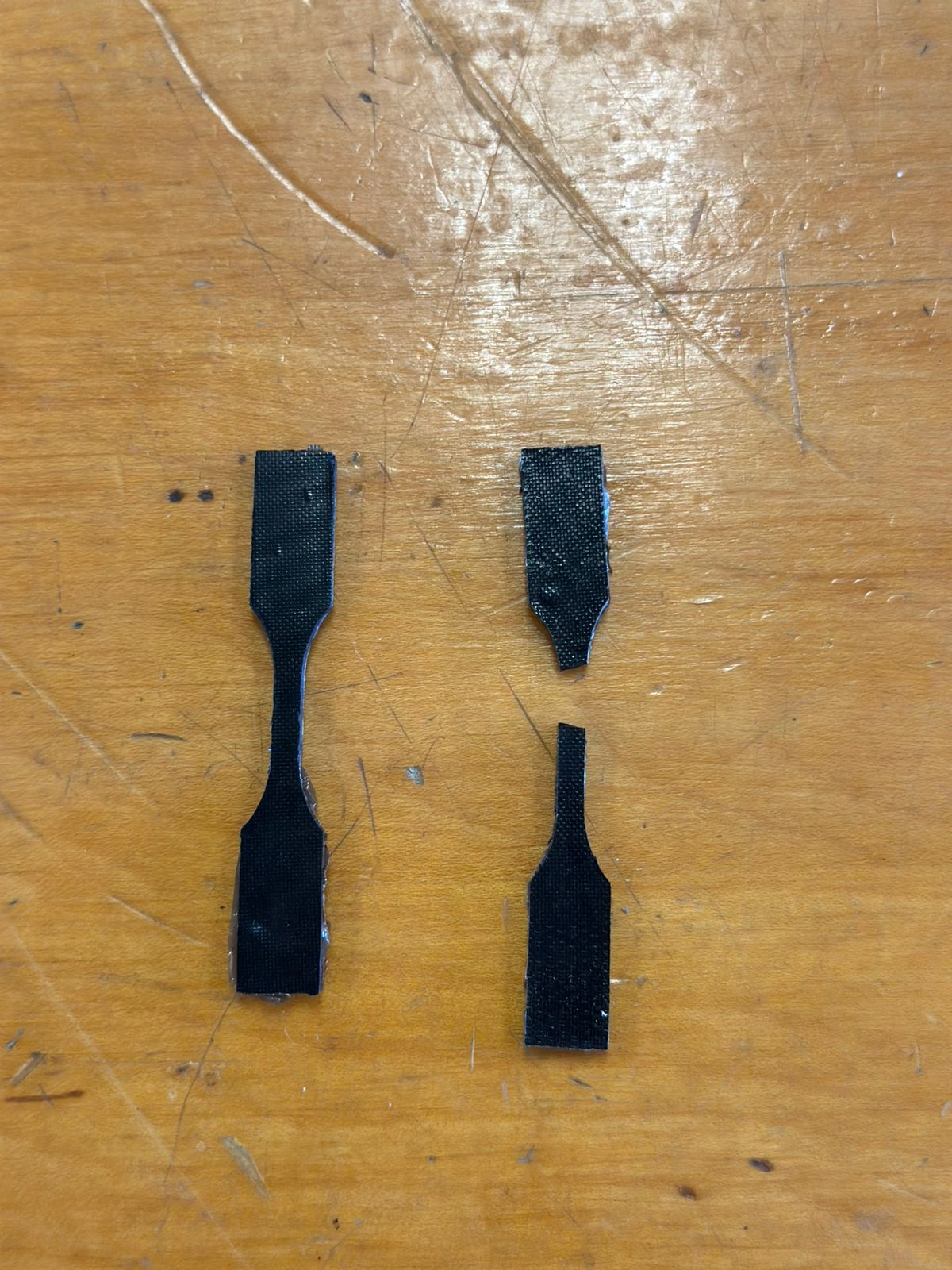
This is a low-volume engineered material produced in our patented Flexiphene process. Only 4 kg are currently available. The product is supplied as compounded pellets, dried and packaged for direct use in compression molding (ASTM Type V specimens were compression-molded for the UMass Lowell validation) or twin-screw extrusion / injection molding.
See the full case study: UMass Lowell validation of Flexiphene-PA 66 at 1 wt%.
Tensile and flexural property gains in PA66 with 1 wt% Flexiphene graphene
Stress-strain curves from independent mechanical testing at the University of Massachusetts Lowell engineering test lab on pristine PA66 and PA66 compounded with 1 wt% Flexiphene graphene nanoplatelets. Multiple specimens tested per condition (4–5 per group) to characterize replication.
Tensile properties — 19% strength gain
| Material | Tensile Modulus (MPa) | Tensile Strength (MPa) | Elongation at break (%) |
|---|---|---|---|
| Neat PA66 (n=4) | 2,475 ± 70 | 68.5 ± 2.0 | 4.05 ± 0.83 |
| PA66 + 1 wt% Flexiphene GNP (n=5) | 2,880 ± 49 | 83.1 ± 1.6 | 4.22 ± 0.03 |
| Improvement | +16% | +19% | +4% |
Flexural properties — 10.5% strength gain, 18.9% modulus gain
| Material | Flexural Modulus (MPa) | Flexural Strength (MPa) | Strain at yield (%) |
|---|---|---|---|
| Neat PA66 (n=4) | 1,157 ± 31 | 68 ± 2.4 | 11 ± 0.2 |
| PA66 + 1 wt% Flexiphene GNP (n=4) | 1,376 ± 55 | 76 ± 1.2 | 9 ± 0.8 |
| Improvement | +18.9% | +10.5% | −18% |
Test methods
- Sample prep: Pristine and 1 wt% Flexiphene-filled PA66 pellets vacuum-dried at 95 °C; ASTM Type V tensile dogbones and flex bars compression-molded.
- Tensile test: ASTM Type V specimens at 10 mm/min displacement rate; 4–5 specimens per group.
- Flexural test: ASTM D790 3-point bending, span-to-thickness ratio 14:1, displacement rate 1 mm/min; 4 specimens per group.
- SEM: Scanning electron microscopy on freeze-fractured tensile dogbone surfaces — no nanoparticle agglomeration observed at multiple magnifications (1,000× through 5,000×).
- Test facility: University of Massachusetts Lowell engineering test lab, May 2024.
PA66 PRD in real applications
Independent ASTM trial at UMass Lowell engineering test lab using this product:
Reviews
There are no reviews yet.